Melbourne enjoys wood. From weatherboard homes in the internal north to seaside decks along the peninsula, the grain and warmth of wood make good sense in our light, our dirt, and our changing seasons. Fencings being in the thick of that atmosphere. They encounter salt air wandering 40 kilometers inland, rough UV that fractures minimal coverings, autumn leaf litter that holds moisture versus messages, and the periodic cricket ball launched from a yard pitch. If you collaborate with a Fence Company Melbourne homeowners trust, you'll listen to the same refrain: safeguard the timber early, choose products that match the setting, and maintain maintenance simple enough that it actually gets done.
Eco-friendly spots, sealants, and surfaces have actually grown in the last years. A contemporary Melbourne Fencing Company can now define low-VOC products that execute near, and often better than, the older solvent-heavy equipment. The choice rarely boils down to a solitary winner though. Up until you consider hardwood types, fencing design, sun direct exposure, and your resistance for maintenance, the appropriate selection stays fuzzy. The details listed below purpose to get rid of that up, making use of website lessons from class in Craigieburn, duration homes in Fitzroy, and wind-prone shuts out in Werribee.
What eco means when you are standing at the fence
"Eco" gets sprayed so easily that it can be difficult to separate advertising paint from genuine performance. On website, we look at four sensible pens. First, unstable natural compounds, or VOCs, because they impact interior and exterior air quality and, in high amounts, can toss a migraine at you while you work. Second, biocides, since they keep mold and mildew and algae off hardwood however can wash into dirt and drains pipes in the initial hefty rain. Third, solids material relative to provider, because the even more solids that bond to the timber, the better the longevity and the much less regular reapplication. 4th, cleanup and disposal, due to the fact that if you need hostile solvents to cleanse a brush, you're possibly handling a high-environmental-load product.
A Melbourne Fence Company that works throughout internal and outer suburbs sees the deposits firsthand. The very first storm after a weekend break of DIY sealing can carry suds and tint into nature strips. That is an avoidable issue with modern-day waterborne items. Yet water-based does not automatically mean harmless or long lasting. The better concern is exactly how the system performs over a year's worth of UV and dampness, then how very easy it is to cover up without sanding back to bare wood.
Understanding timber varieties utilized in Melbourne fences
Merbau still shows up in gate panels and function screens, valued for its abundant shade and all-natural oils. Dealt with want controls boundary fencings, specifically the classic 1.8 meter paling. Found periodontal and ironbark show up in higher-end jobs, typically straight slat designs where every gap is deliberate. Cypress want pops up as messages and rails on older work, and Western Red Cedar features in lighter privacy displays where weight matters.
Each lumber acts differently. Merbau hemorrhages tannins, especially in its initial wet season. If you secure too early with the incorrect finish, you catch those tannins and wind up with uneven blotches that refuse to rinse off. Dealt with ache takes in surface more readily however moves as it accommodates, so rigid film-forming layers can split on knots and edges. Identified gum is thick and tough, which aids resilience yet slows infiltration for oils. Cedar loves oils and semi-transparent spots, however its softness needs UV defense very early and consistently.
A Melbourne Fencing Company that has taken care of the lot will customize the prep. With merbau, we seep tannins before completing, commonly with a cycle of wetting, waiting, and washing for several days in cozy climate. On a new dealt with pine fence, we offer it a short weathering duration, typically 2 to 6 weeks relying on the mill dampness web content and the period, after that test with a sprinkle of water. If the drop beads externally, it is too early. If it dims rapidly and takes in, it is ready for discolor or oil.
Stains, sealers, and surfaces: what each does
The tags vary by brand name, so it assists to anchor the terms to how they behave on timber.
A permeating oil or oil-hybrid penetrates the fibers. It leaves little to no surface film, so the fence looks all-natural and feels like wood, not plastic. The best eco oils are waterborne alkyd emulsions, where the material is plant-derived or partially bio-based. They cut VOCs significantly, yet bring pigment and UV blockers well. The trade-off is upkeep. You revitalize them more frequently, though the process is forgiving. Generally a wash, a light scrub, and a recoat.
A semi-transparent tarnish adds even more pigment and UV resistance, which can be critical on north or west-facing runs that cook all summertime. Modern water-based spots have low odor, shorter drying times, and much safer cleaning. They also do well on softer varieties like treated want. Acrylic-based spots develop an adaptable microfilm that moves with the timber better than older varnish-style coatings, minimizing the risk of peeling. The other side is that dense woods might get unequal uptake otherwise prepped carefully.
A clear sealer sounds appealing, but over fences in Melbourne sunshine it is a temporary romance. Without pigment, UV strikes the lignin, the glue that holds timber fibers with each other. You get graying, then surface roughness. Some clear items have nano UV blockers that get time, yet also the premium choices battle past 12 to 18 months of solid direct exposure. They radiate inside or under big eaves, not on an open boundary.
Film-forming coatings like outside polyurethanes and high-build varnishes offer gloss, abundant color deepness, and a curated look. On attribute gates sheltered by a carport, they can hold up for many years. On a limit fence that gets complete weather condition, they connect over grain early and after that, as soon as dampness gets behind them, peel off. When a movie falls short, the solution is sanding back, often down to raw timber. That is pricey on futures. A useful Fence Company Melbourne homeowners depend on will reserve film coatings for controlled locations.
Matching item type to orientation and microclimate
Melbourne's weather reads like a period sampler. Dry northerlies press humidity down, then a south buster turns the air in half an hour and you get wind-driven rain. If your fencing rests on a laneway, caught between block walls, it does not dry quickly. If it faces an open concrete location, it may warm up sufficient to trigger premature flashing of waterborne products, which can leave lap marks.
From years onsite, 2 guidelines arise. North and west faces long for even more pigment and resin, so semi-transparent discolorations or mid-tone oils exceed removes. Shady south sides invite mold growth, so pick an eco finish that lugs a low-toxicity biocide or be prepared to clean more frequently. Coastal fringes demand added interest to salt deposition. Rinse with tidy water prior to reapplication, or you run the risk of bond issues.
A light list for picking the system
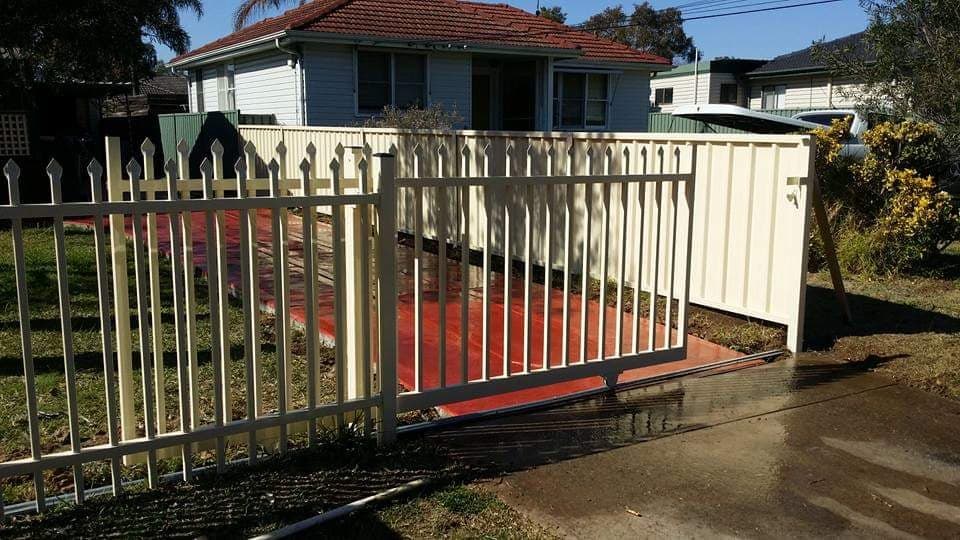
- If the fence deals with north or western with very little shade, favor a low-VOC semi-transparent discolor with included UV pigment. For dense wood screens under partial cover, pick a waterborne oil-hybrid with high solids and a tint that matches the timber. On fresh cured yearn palings, use a breathable acrylic stain that allows moisture to leave while protecting against UV. In consistently damp pockets like side flows, prioritize completed with anti-mold ingredients and plan on more constant gentle cleans. For function gates or entry panels under eaves, a higher-build eco-urethane can function, however routine yearly assessments for early signs of edge wear.
Preparing the fence: what makes or breaks the finish
Most failings trace back to preparation. Dirt, tannin bleed, mill polish, and recurring therapy salts each hinder bond and absorption. The right approach depends upon age and species. On new want, a mild detergent wash complied with by a rinse and drought opens the surface. On weathered lumber, oxalic acid-based brighteners can get rid of grey and restore shade, but they require thorough neutralization. For merbau, tannin-leaching is non-negotiable unless you enjoy coffee-colored touches diminishing your concrete.
Skip the hostile stress wash. Anything beyond a mild follower dangers raising the grain, driving water deep right into end cuts, and loosening up palings. A soft mop, a container, and patience return far better results. Where we do make use of a washing machine, we maintain the nozzle relocating and stay at a respectful distance. End grain on blog post tops and reduce rails should have special care. Seal them immediately. That is where water intrudes first.
Timing issues. Apply most waterborne items in light problems, about 10 to 25 degrees Celsius, with no rainfall projection for at the very least 24-hour. In summer, chase after the color. Work with the side of the fence not facing the sunlight, or you will deal with flash-drying that catches brush marks. A Melbourne Fencing Company that schedules finishings around the projection appears like it is fussing. It is not. It is avoiding rework.
Low-VOC chemistry worth understanding, not worshipping
You will see terms like waterborne alkyd, acrylic emulsion, and plant oil polymer on containers. Waterborne alkyds suspend oil-modified materials in water, offering you the infiltration and warmth of oil with simpler clean-up and a VOC profile often under 100 g/L, occasionally under 50 g/L for the costs lines. Acrylic emulsions excel at color stability and UV resistance, and they develop movies that breathe enough to allow wetness out while obstructing fluid water from getting in.
Plant oils, such as linseed or tung, are traditional. On their own they can yellow and invite mold and mildew. Modern eco variations incorporate them with UV absorbers and fungicides that fulfill safer chemical standards. The equilibrium is delicate. Too little biocide and you scrub mold every quarter. Excessive and you are no longer in low-impact territory. Responsible items disclose material varieties and compliance with criteria like Environment-friendly Star or APAS specifications when relevant.
The Melbourne Fence Company that takes longevity seriously will not chase every new tag. We trial on offcuts, after that on areas that mirror the most awful website problems. If a surface can not make it through the western flank of a Brunswick lawn with reflective brickwork nearby, it does not make the shortlist.
Color choices that age with the fence
Nothing dates a fencing faster than a shade that combats the remainder of the yard. Mid browns with a touch of gray conceal dust and plant pollen while complementing both red and neutral brick. Really light tones festinate in publications, after that reveal spots within weeks. Jet black displays can look building around concrete and steel, yet in summertime they consume warm and stress the covering. Smoky char tones split the difference, particularly in narrow city backyards where plants bring the color back.
Pigment thickness ties to defense. Transparent colors let the grain sing, yet you trade service life. Semi-transparent and light-solid colors build a more robust guard. In practice, a Melbourne Fencing Company could suggest a slightly darker very first layer, then a lighter second pass to arrive at your target tone while still maintaining UV performance.
Application: brushes, pads, and the fence following door
On future, rate issues or you will wind up with lap lines where an area dried out prior to you can keep a wet edge. Pads and large brushes made for deck oils also beam on fencings. They hold more finish and lay it down uniformly. Splashing is alluring, and on some industrial work it is the only way to hit the deadline, but overspray will certainly evaluate neighborly relationships and your pocketbook. If you do spray, back-brush every section, mask completely, and watch wind gusts. The great mist travels better than you expect, particularly over a laneway.
End grain sealing is worthy of a 2nd mention since it fails first. Blog post tops are notorious. If your fence uses steel caps, wonderful. Otherwise, use extra coats and inspect them after the initial hefty storm. Gate sides and hinge correctings are one more susceptability. Hardware warms up in sunlight, increases, and reduces, stressing the covering. Brush these areas with interest and wipe away any type of leaked oil that might stain masonry or pavers.
A brief maintenance rhythm that works
- Quick rinse and visual check at the end of summer and the beginning of spring. Mild cleaning agent laundry and soft scrub once a year, avoiding high-pressure blasts. Spot touch-ups on high-wear edges or sun-baked bays as quickly as fading appears. Full recoat every 12 to 24 months for oils, 24 to 36 months for durable acrylic stains, adjusted for exposure. Keep garden beds trimmed back from the fence to allow air distribute and the surface dry after rain.
When eco coatings satisfy truth: instance notes from Melbourne sites
In a Kew task, a horizontal seen periodontal screen left a swimming pool location with nearly no shade. The proprietors wanted a natural appearance and low smell during application. We trialed a waterborne alkyd oil with a warm neutral tint. The very first summertime was the examination. Despite 40-degree days, the finish accepted only moderate lightening on the leading rail. Recoat was simple in year two: laundry, a light abrasive pad to knock off sunscreen residue where children leaned, then a solitary upkeep layer that restored depth.
Over in Footscray, a restored paling fence treated ache faced a neighbor's white block wall surface that showed mid-day warm. An eco acrylic semi-transparent discolor in a mid-brown tone covered the greenish cast of the pine and took care of the development and tightening far better than the oil we had actually initially specified. The microfilm bent. There was small feathering on knot sides after 18 months, yet no peeling. We resolved it with a targeted sand and a two-board touch-up.
On the peninsula, salt and wind do most of the damages. A blackened feature gateway with an eco-urethane looked sharp under a carport. The nearby border run, completely subjected, put on a waterborne oil with even more pigment than the owners originally wanted. After the initial wintertime, eviction still shone, but the exposed area required a quick laundry and recoat. The owners liked that the maintenance could occur in a morning without the scent or cleanup of the old solvent oils they remembered.
These instances share a pattern. Eco items can function remarkably if the system matches the website. Push a clear onto full sun, it will shed. Force a stiff movie onto relocating softwood, it will crack. Pick a breathable stain with appropriate pigment, it will certainly mature gracefully and let you maintain the fencing festinating without starting over.
The role of a Melbourne Fencing Company in product selection
Walking into a hardware shop, you see a wall of tins assuring wonder longevity. The labeling regulations enable charitable claims. A skilled Fencing Company Melbourne homeowner depend on filters those pledges via genuine maintenance cycles. We ask exactly how usually you want to touch the fence, whether you can tolerate a day of mild smell on the patio area, exactly how close the tomatoes grow to the articles, and whether the next-door neighbor sprays their side with anything that may interact.
We also consider guarantee language. Some makers require the item, not labor. That matters if you prepare to have a Melbourne Fence Company do maintenance layers. A reduced material cost on day one can balloon if it requires a lot more regular expert visits. On the other hand, a more expensive eco stain that extends the cycle by 6 months could win monetarily and eco, specifically on futures where labor is the larger line item.
Edge instances and how to manage them
Mixed materials make complex choices. A fencing that mixes hardwood slats over a powder-coated steel structure requires a finish that will certainly not tarnish the steel if it cries during the very first rain. In that case, we mask diligently and pick a quicker-curing waterborne tarnish. Where fences abut rendered walls, we maintain a broader dry buffer on application to avoid ghosting. In heritage overlays, shade selection might be constrained, and some councils respect overflow throughout works. We arrange on dry weeks and protect drains with filter socks.
Bushfire areas change the story once more. Some customers demand BAL-rated varieties and desire finishes that do not contribute to fuel lots or peel under extreme induction heat. Eco stains can satisfy those requirements, however the system layout matters more than the canister. Larger post spacing to minimize caught trash, ground clear of great fuels, and steel caps to https://eduardompsq133.theglensecret.com/exactly-how-to-pick-in-between-wood-and-colorbond-fencing-options maintain cinders out of post cores do even more for safety and security than any type of finishing alone.
Rental residential or commercial properties need simplicity. Tenants are unlikely to preserve a fencing beyond an occasional rinse. For those, we choose durable mid-tone acrylic spots that endure disregard and can be revitalized promptly between occupancies. The priority changes from best grain screen to predictable wear and very easy upkeep.
Cost, lifespan, and honest expectations
In Melbourne retail, high quality eco oils and discolorations sit in a band from modest to exceptional prices per litre. Insurance coverage varies widely, from 6 to 12 square meters per liter per layer, depending on hardwood and product. A typical 12 meter border area at 1.8 meters high is about 21.6 square meters per side. 2 coats on the external face, plus end grain and messages, can quickly take 5 to 7 litres. If a surface fifty percents recoat frequency, the math turns in its support quickly.
Service life insurance claims like "as much as 5 years" typically think gentle problems and excellent preparation. In full sun with regular wetting, a dependable cycle for eco oils is 12 to 24 months, and for durable water-based acrylic discolorations 24 to 36 months. Coastal exposure reduces that by a period. Under eaves or dense tree cover, the finish might last much longer in UV terms however encounter more mold and mildew. The fence does not care what the sales brochure claims; it informs you when it is ready by fading, monotony, or roughness to the touch.
How to collaborate with your Melbourne Fencing Company for a better outcome
Share just how you use the room. If the fence backs a barbeque area or swimming pool, point out sunscreen, smoke, and dashes. If you garden versus the palings, confess. We will certainly safeguard the beds and pick a coating that endures soil call better. Ask for a small example panel on your real wood, not just a shade card. Discolorations and oils read in a different way throughout species and also across boards from the same pack.
Schedule application around climate, then remain versatile. The worst coatings we see are hurried. A Melbourne Fence Company that reschedules to evade a heatwave or a cold wave is conserving you a headache. Ultimately, plan the maintenance from the start. Put a reminder in your schedule for a spring check. If a touch-up layer happens before the damage embed in, your fencing stays handsome rather than getting on a full strip-and-start-again scenario.
A quick word on next-door neighbors, overflow, and courtesy
Boundary fencings include two houses. If your picked coating varies from the opposite, a neutral color with moderate pigment maintains the road view unified. Protect the base throughout application with drop sheets, particularly if the neighbor's paving rests greater. On sloped blocks, control runoff during the first rinse after brightening or washing. Basic steps like obstructing the stormwater entrance with a short-term filter and recording the very first unclean flow make a real distinction. A Melbourne Fencing Company that cleans up as it goes maintains relationships undamaged, and that matters as long as the sheen on a summertime afternoon.
Where eco finishes are heading next
Two trends look appealing. Initially, bio-based binders that press sustainable content up without giving up longevity. We have actually seen early versions with sunflower and tall oil backbones performing well. Second, much better nanoparticle UV absorbers that continue to be steady and do not leach. Combine those with smarter tint systems and you can call in a fence color that fits your home while delivering the solution period an active family members needs.
None of that replaces craft. The Melbourne environment will certainly maintain stress-testing new chemistry. Prep, application, and honest maintenance still decide results. A Melbourne Fence Company with a few damp winter seasons under its belt recognizes that and will guide you toward a choice you can deal with, both visually and practically.
Final believed from the field
Fences seldom win layout awards, yet they hold the yard together. The best eco tarnish or sealer does not shout. It deepens the hardwood, maintains water out of end grain, obstructs the most awful of the UV, and lets you move on with weekend breaks that do not smell like turpentine. If you require a finish that lines up with the method you live, your house you have, and the city we share, a skilled Fencing Company Melbourne home owners trust fund will fulfill you there, brush in hand, seeing the clouds similarly a contractor enjoys wind. That eye for conditions is what turns an excellent product right into a fencing that still looks right when your jasmine climbs it next spring.
